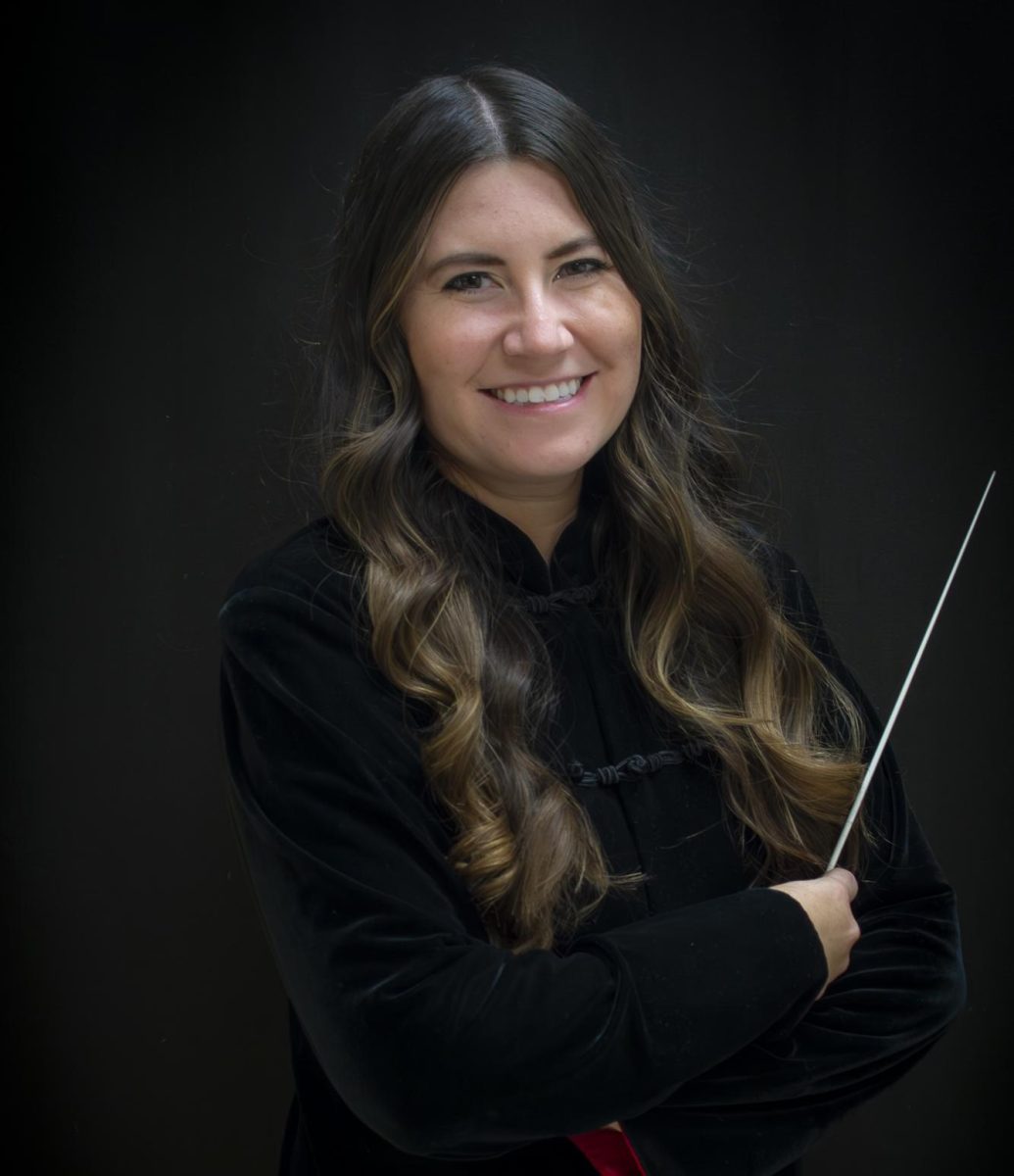
After 39 years in the classroom, and more than three decades at Clover Hill, English teacher Gail Kline is stepping away from teaching, leaving behind not just lesson plans and essays, but generations of students who say she changed how they think, write, and see the world.
For Kline, teaching was never just a job. She was first drawn to the profession at just seven years old. That sense of purpose carried her from North Carolina to South Carolina, to California, and finally to Clover Hill in 1995, where she built a career centered on one thing: her students.
“It’s never been about me. It’s always been about students,” Kline said. “I’ve always said, ‘pour into me so I can pour into them.’”
That mindset is exactly what students say sets her apart. Junior Collin Pounds describes her as more than just a teacher, but rather as someone he can connect to through clubs and conversations.
“I think of her mostly as a mentor,” Pounds said. “She’s someone I can go to and just talk about life in general.”
Junior Daniel Counoupas notes that inside the classroom, Kline’s impact is just as clear. She is known for pushing students to think critically and write with purpose.
“She taught me how to write a lot better,” Counoupas said. “I got a lot better at analyzing literature and explaining myself.”
One of her signature phrases, “Lord of the Flies always applies,” became a running theme in her classroom, reminding students that the novel’s ideas about human nature extend far beyond the page.
“Lord of the Flies always applies because people do need, just like here at school, we need rules. We need policies and procedures to keep that Dionysian character in check, because without it, we’d all go willy nilly,” Kline said. “I’ve always loved teaching that book.”
Balancing the rigor of her class and her own personality is what defined her teaching style. Students remember her energy, her humor, and the way she could liven the class. Junior Ella Gagnon reflects on a personal moment when Kline offered her support during a stressful time, by extending a deadline, and simply listening.
“One time I was really overwhelmed,” Gagnon said. “She let me take a test later, which meant a lot.”
Moments like those reflect what Kline believes teaching is really about: meeting students where they are and helping them grow into who they can be.
“You’ve got to find out what students need,” Kline said. “Not what you need, but what they need.”
Over the years, that philosophy has shaped countless students, not just as readers and writers, but as people. Kline does not measure success in grades, but in what her students carry forward.
“When I see them pouring it [what I have taught them] back out,” Kline said. “That’s success.”